
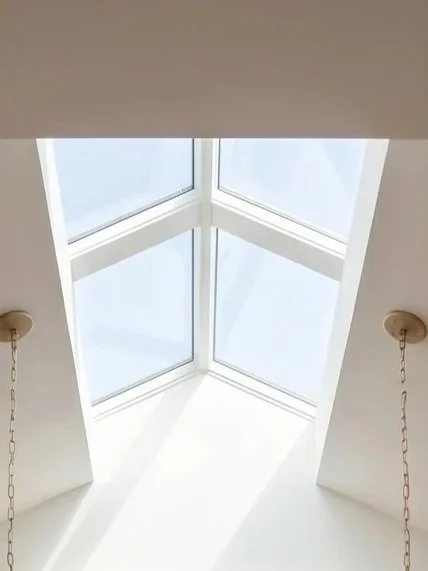
Residential Architecture Services for the South Bay and Peninsula
Every project begins with understanding what your property can realistically support before design decisions are made. Whether you are considering a remodel, addition, or complete rebuild, we evaluate the constraints first and develop the right path forward.
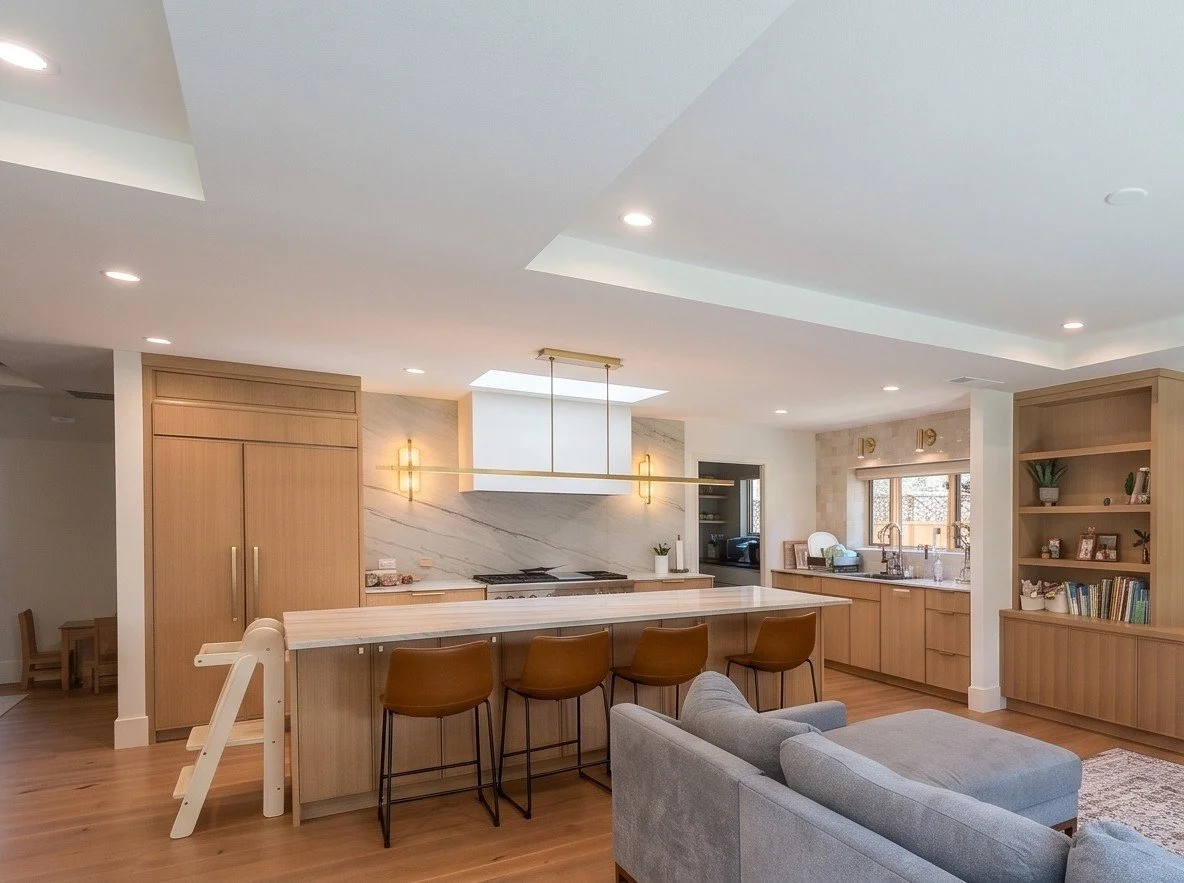
Home Remodels & Renovations
Transform an existing home into a place that better supports the way you live.
For homeowners who want to
Existing homes often come with challenges that are not visible at first glance: undocumented modifications, structural limitations, outdated systems, and conditions that affect what is realistically possible.
We work with homeowners on whole-home remodels, interior renovations, structural improvements, and complete transformations. We evaluate existing conditions, develop the design, coordinate engineering and consultants, and prepare the architectural documents needed to move the project from concept through permitting and construction.
View Remodel Projects →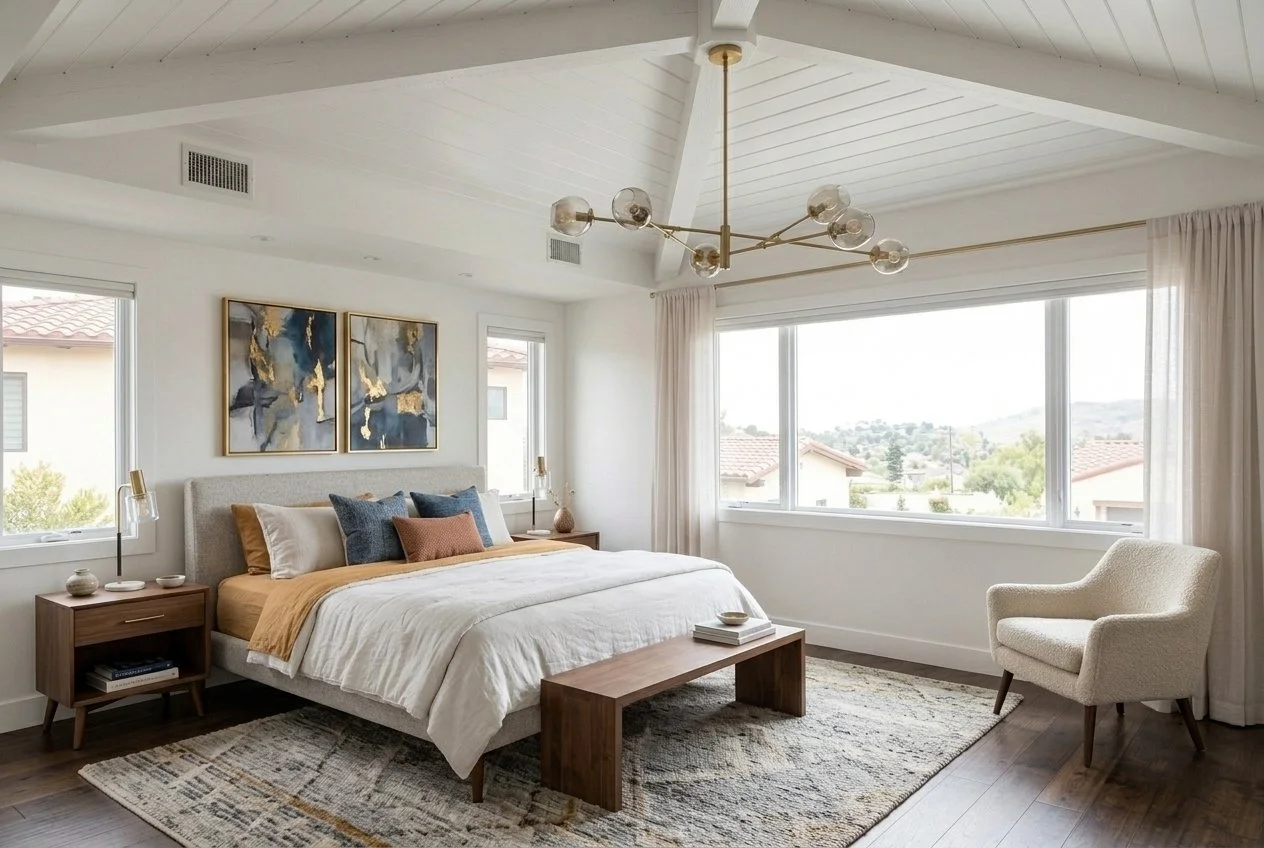
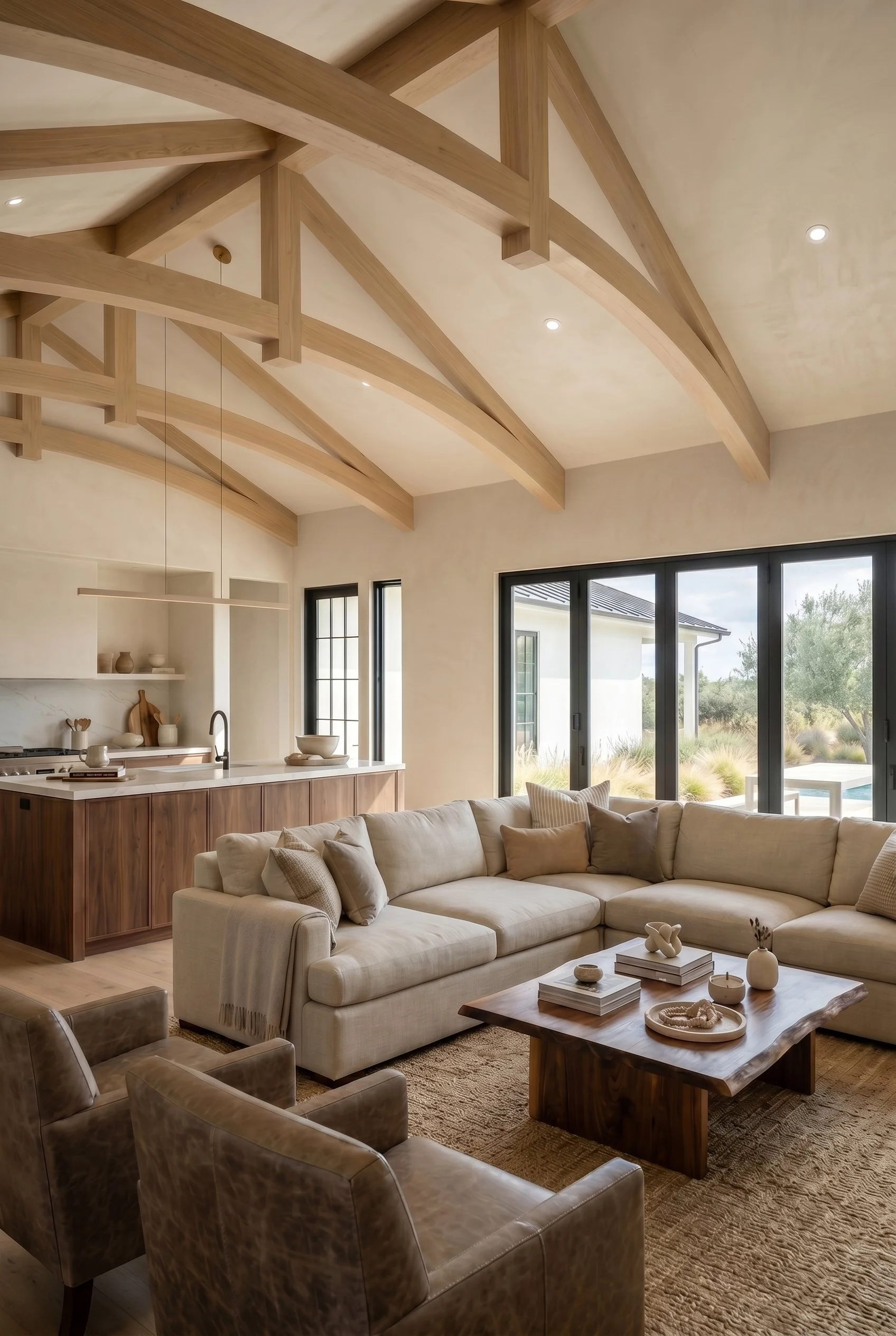
Add the space your home needs while creating a design that feels like it has always belonged.
For homeowners who want to
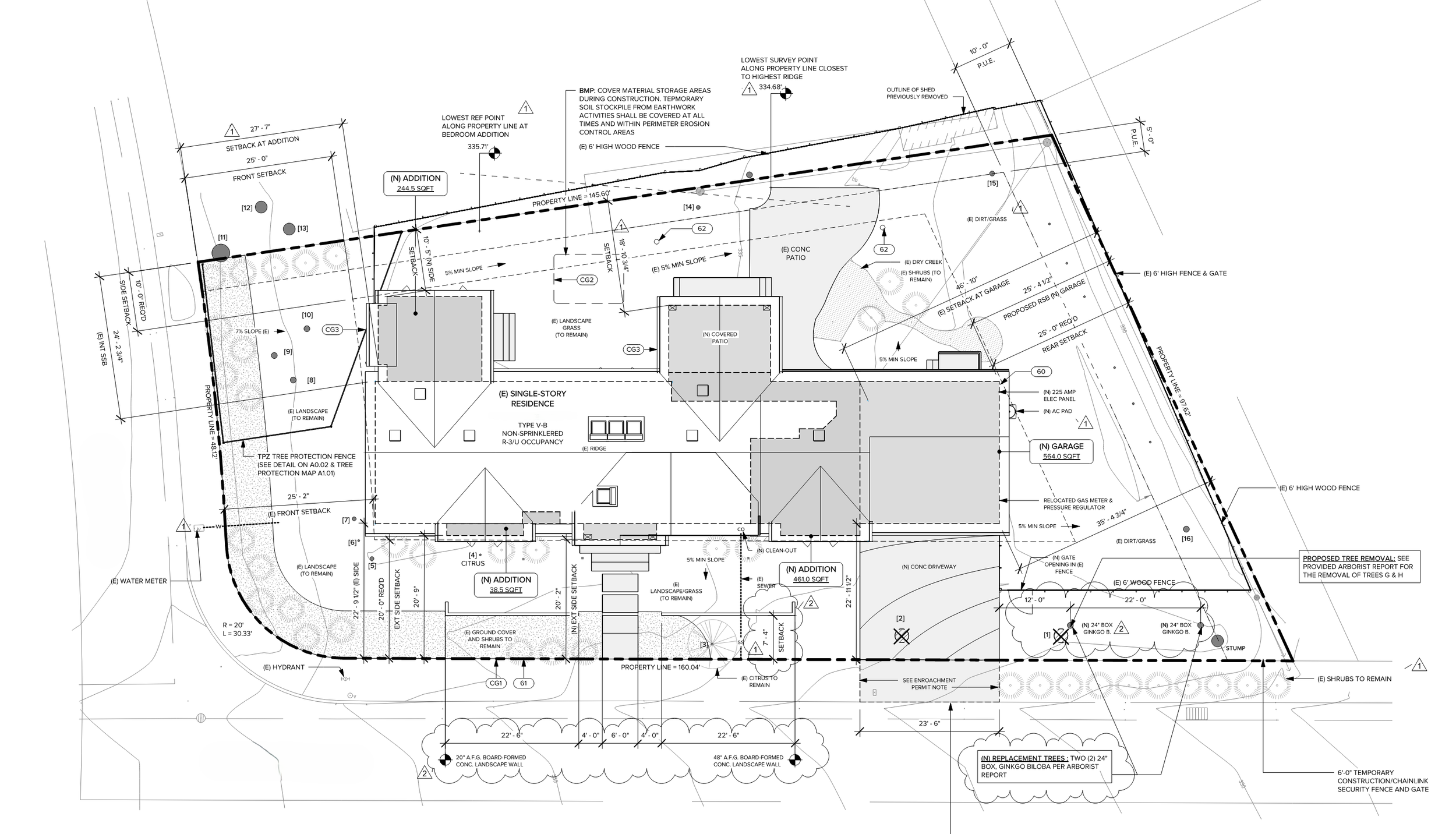
In the South Bay, successful additions begin before design. Existing foundations, zoning limits, neighborhood context, and city approval requirements all shape what can be achieved.
We evaluate feasibility, develop the design, coordinate structural and engineering requirements, and guide the project through approvals and permitting.
View Addition Projects →Home Additions & Second Story Expansions
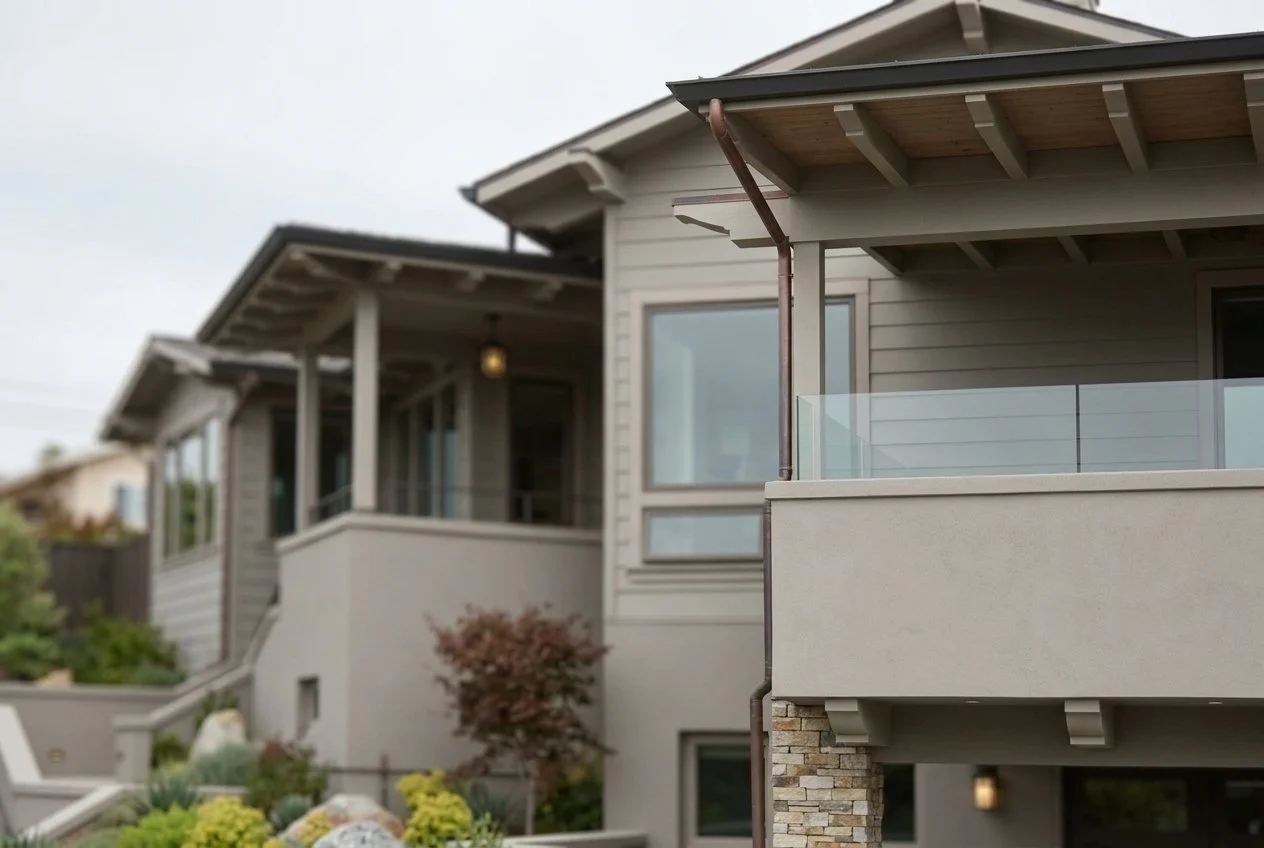
Custom Homes & Rebuilds
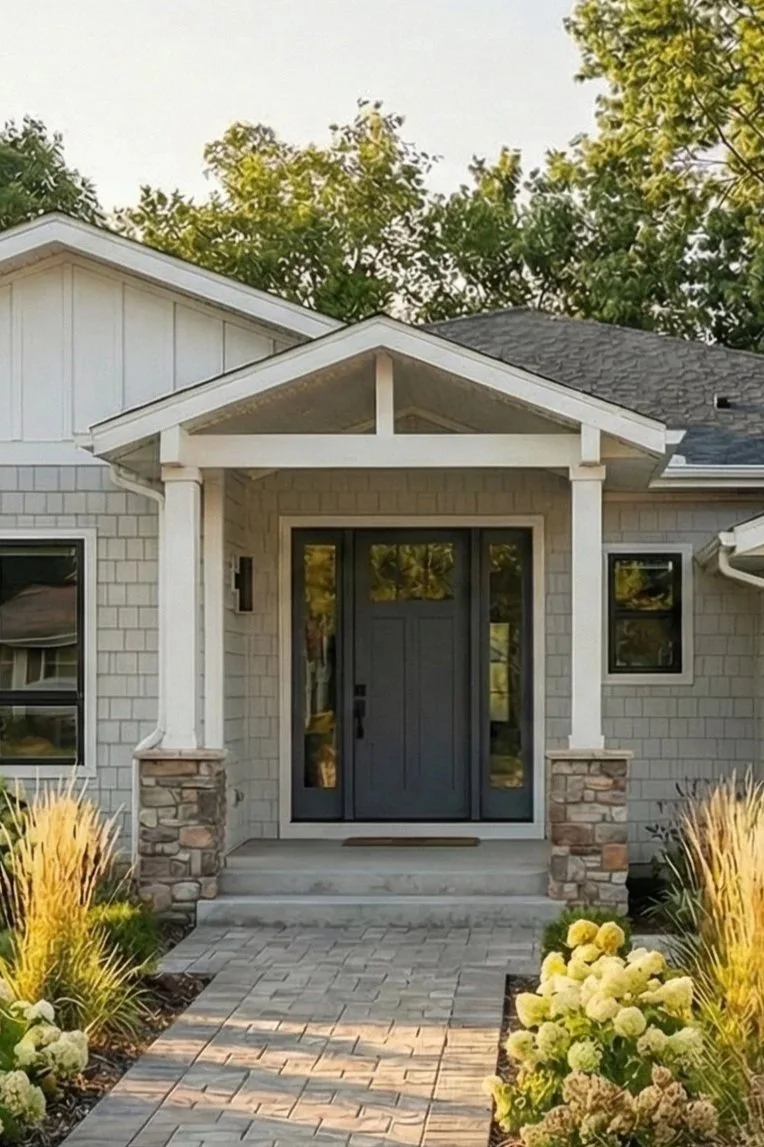
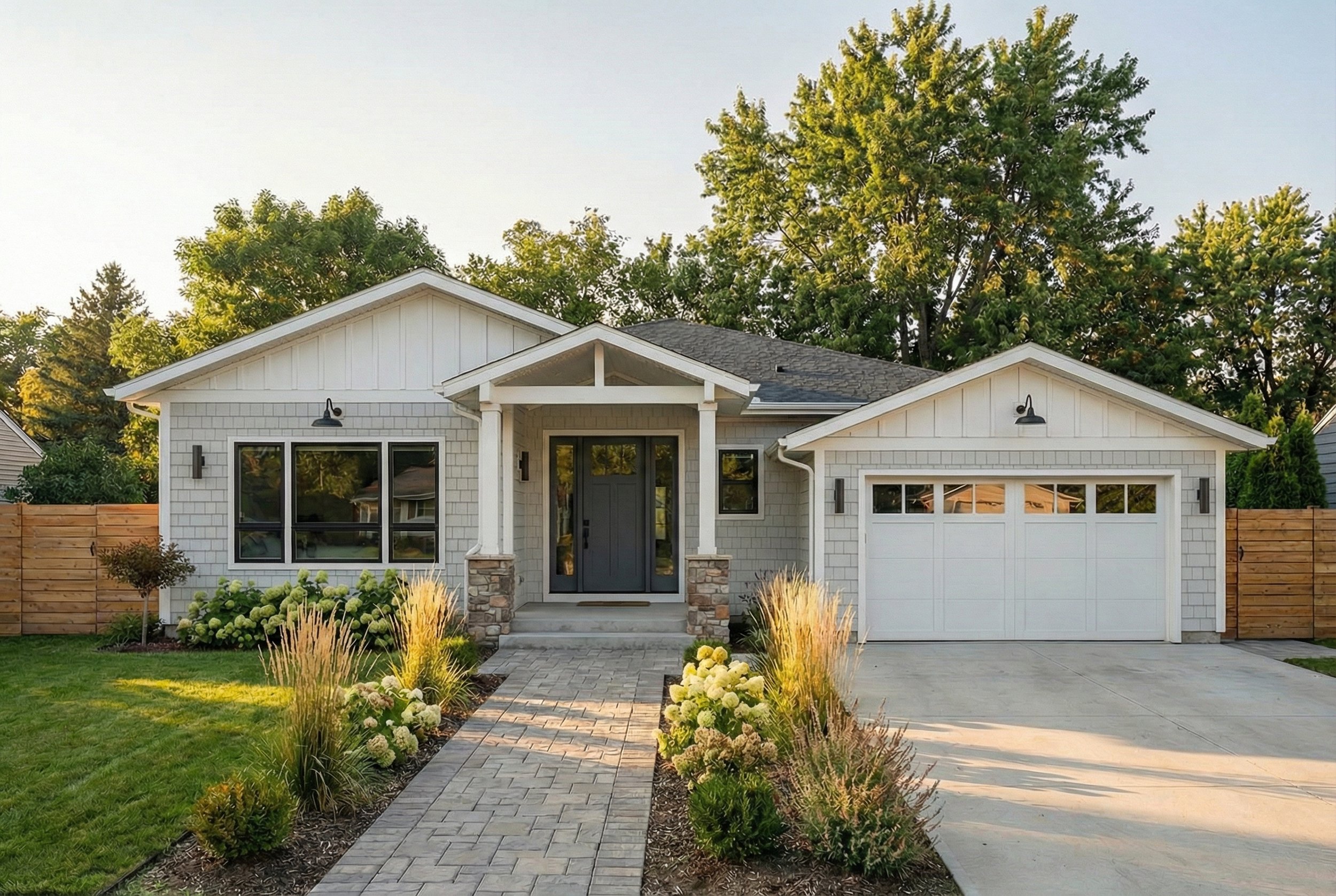
Create a new residence when renovation no longer achieves the vision.
For homeowners who want to
The decision between renovating, adding on, and rebuilding is not always obvious. We help evaluate the right path based on your goals, property conditions, regulations, and investment before design begins.
We design custom homes and rebuilds throughout the South Bay and Peninsula, managing the process from early property evaluation through architectural design, consultant coordination, planning approvals, and permits.
View Custom Home Projects →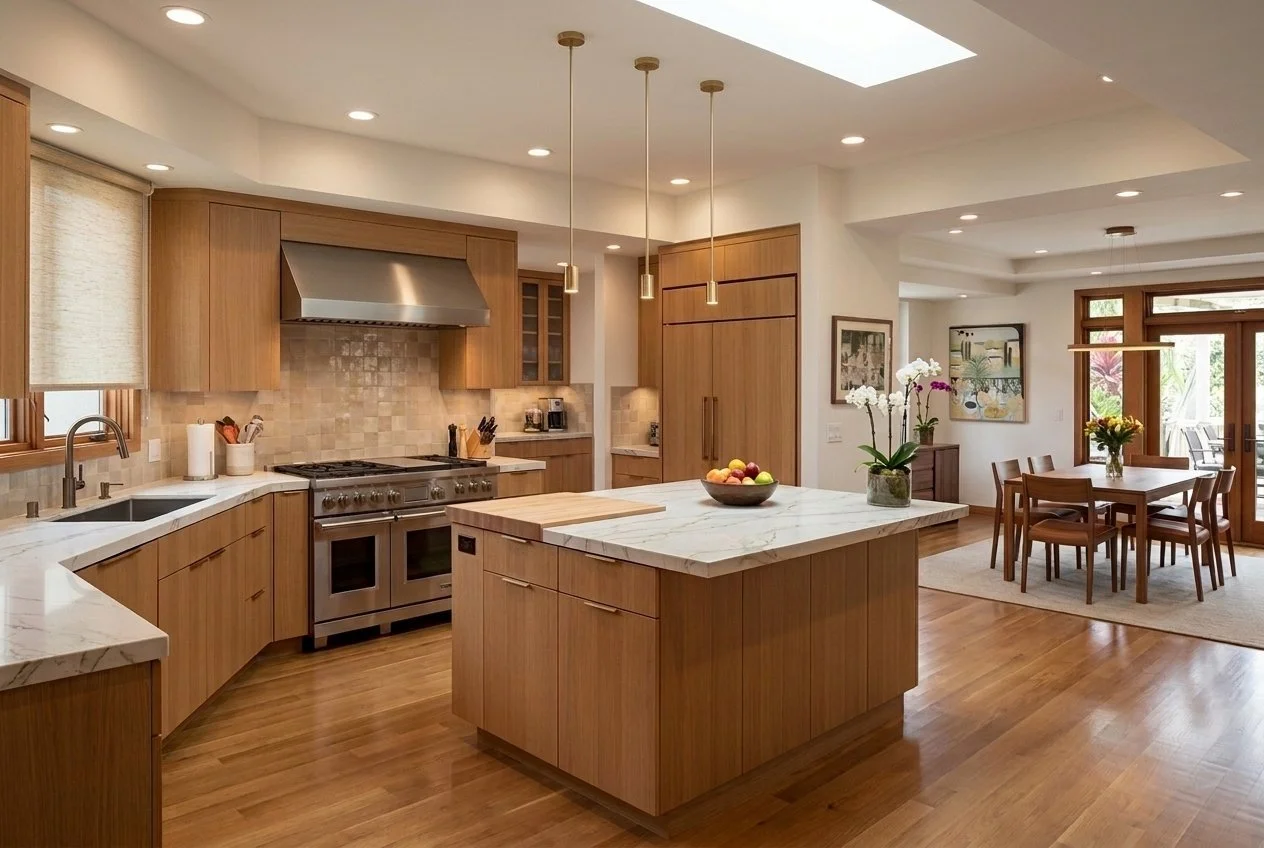
Before working with Eyal, we interviewed more than 20 architects. He personally measured our house, identified discrepancies between public records and the actual square footage, and proactively clarified everything with the City of Palo Alto, streamlining the permit process so we could submit for Planning and Building simultaneously. From day one he has been client-minded, responsive, and thoughtful. We immediately felt confident in his expertise.
Palo Alto Residential Client · 2026
We were doing a complex whole house remodel with additions and raised the ceiling. Eyal had a great vision and was able to put together a comprehensive plan and conceptualize our ideas. He made the seemingly impossible project a reality.
Houzz Review · Saratoga Client · June 2026
From Feasibility to Full Architectural Design
Early Stage Evaluation:
Most projects begin with a structured property evaluation. We review existing conditions, zoning and planning context, permit path, initial scope, and budget range to establish what is realistically achievable before design begins.
Understand what the evaluation covers → Feasibility & Starting Smart
Full Architectural Services
Once direction is established, design moves through schematic, development, and construction documentation stages, coordinated with structural engineers and consultants, and submitted to the relevant city for permits. We manage that sequence so the drawings that reach a contractor reflect the actual project, not an optimistic version of it.
How each phase works → Explore our project process
The Decisions That Shape a Successful Project
A successful residential project is not created by drawings alone. It begins with understanding how your goals, your property, local requirements, and construction realities come together.
Before design moves forward, we help establish what is possible, define the right approach, and create a clear path from the first conversation through construction.
Understanding What Is Possible
Every property has opportunities and constraints that influence what can be achieved. Existing conditions, zoning requirements, structural systems, and city requirements all shape the possibilities before design begins.
We evaluate these factors early so your project is based on the realities of the property, not assumptions that may need to be changed later.
Defining the Right Project Scope
Most homeowners begin with a vision: more space, better function, a different way of living, or a complete transformation. The role of the architect is to translate that vision into a project that aligns with the property, approval requirements, and investment being considered.
By establishing the right scope early, we help avoid unnecessary design work and create a clearer path forward.
Creating a Complete Plan for Construction
A successful project requires more than a design concept. It requires detailed architectural drawings that communicate the intent, coordinate consultants, support permitting, and allow contractors to understand the work being proposed.
Our construction documents are developed specifically for your property and jurisdiction so the project can move forward with greater clarity and fewer unknowns.
Coordinating the Complexity
Residential projects involve many interconnected decisions across architecture, structure, engineering, permitting, and construction.
We coordinate those pieces throughout the process so you understand what is happening, why decisions are being made, and what comes next.
Guiding the Project Through Construction
Our involvement does not end when the drawings are complete. We help homeowners evaluate contractors, answer construction questions, review progress, and provide architectural guidance when field conditions or unexpected decisions arise.
When work does not match the approved design, we help identify issues early so they can be addressed before they become larger problems.
The goal is to ensure the project that gets built reflects the project that was designed.
We work with homeowners across Santa Clara and San Mateo Counties on remodels, additions, and custom homes. Every city has its own planning requirements, neighborhood expectations, and site conditions that directly shape what is possible and how a project moves from design to approval.
Santa Clara County
San Mateo County
Read what Bay Area homeowners say about working with us: Our clients' words
Whether you're considering a renovation, addition, or new home, the first step is understanding what's possible before making expensive decisions.