
Residential Architect in San Mateo | Remodels, Additions, and Custom Homes
In San Mateo, the most important design constraint is not zoning height or floor area alone, it is the daylight plane. It shapes how second-story walls step back from property lines and often defines the building envelope before floor plans are fully developed.
In practice, this means second-story design is typically resolved through section and massing first, and interior layout second.
San Mateo also uses a Single-Family Dwelling Design Review (SFDDR) process that is tiered by project scope. As projects increase in visibility or scale, they tend to shift into higher review tiers where neighborhood input becomes part of the approval process.
Regulations change and every property is different. This page reflects general conditions in San Mateo, not a substitute for a property-specific feasibility review.
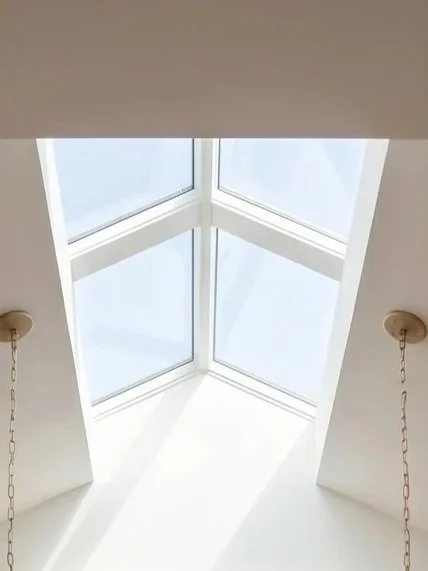
Practice Overview
Prestin Ravid Architects works across the South Bay and Peninsula on Custom homes, remodels and additions.
From feasibility through design, permitting, and construction, projects move forward with coordinated input from structural engineers, energy consultants, and other specialists as required by the project and jurisdiction.
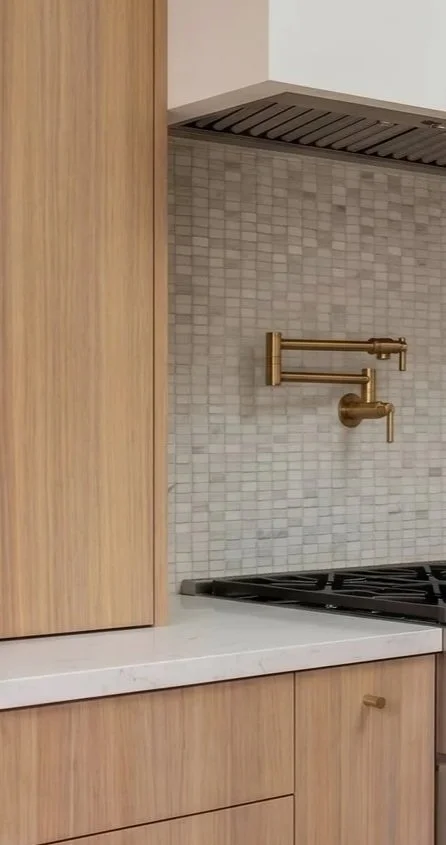
Eyal's designs are top notch and they handle everything from architectural design through permits. A full concierge experience from concept to city approvals, which made the process very easy for us.
Anna F · Local Realtor
We had a great experience working with Prestin Ravid Architects on our home renovation. Eyal consistently exceeded expectations and delivered on time while staying highly responsive throughout the design and permitting process, which gave us a lot of confidence in the team.
Vishal B · Residential Client
How San Mateo actually shapes design
Most cities regulate additions through height limits and setbacks.
In San Mateo, those rules interact through the daylight plane in a more direct way.
The daylight plane often becomes the primary driver of second-story form, reducing usable volume near property lines before floor plans are finalized. As a result, two projects with identical zoning allowances can produce very different building envelopes depending on site geometry.
This is why design typically begins with massing and section studies rather than interior planning.
The SFDDR process then evaluates how that massing performs in context, including scale, privacy, and neighborhood fit.
San Mateo homeowners
San Mateo homeowners are typically working with homes that are structurally sound but no longer aligned with how they live.
Most residential areas fall into three general conditions:
Baywood and Beresford: established character homes with remodel and selective expansion potential
Shoreview and North Central: postwar housing with straightforward addition logic
Hillside areas: slope and view-driven conditions where site geometry becomes the dominant constraint
Across these contexts, the key question is often not whether to expand, but how much of the existing structure should remain once the daylight plane and review process are fully accounted for.

Architect-Led From Start to Finish
Prestin Ravid Architects works with homeowners throughout San Mateo and the South Bay on remodels, additions, and custom homes. Before design begins, we evaluate what the property can support, what the city is likely to approve, and which opportunities are worth pursuing. That clarity becomes the foundation for the design, permitting, and construction phases that follow.
Common Project Types
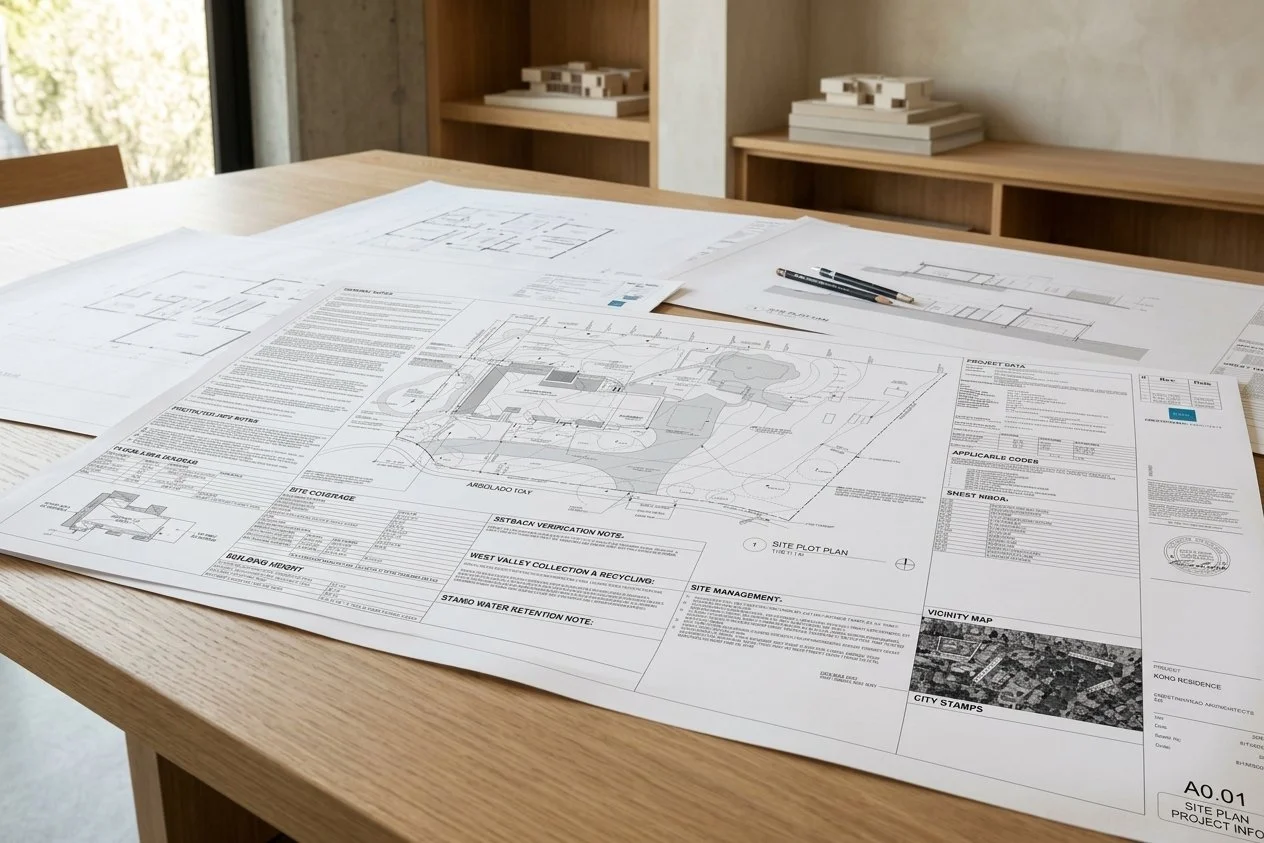
Home Remodels and Renovations
Interior remodels that do not alter exterior massing typically proceed through building permit review without triggering SFDDR review.
Once exterior walls or rooflines are adjusted, even modest changes can activate daylight plane constraints and shift the project into design review.
In older homes, this often happens when small additions unintentionally create second-story conditions through roof or wall modifications.
The key early decision is whether the project remains interior-only in zoning terms or transitions into exterior massing work.
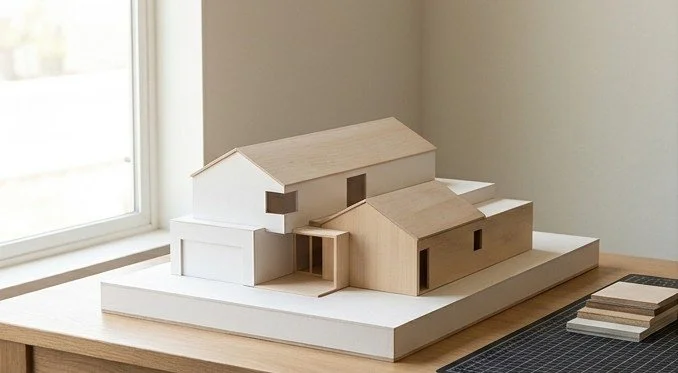
Home Additions & Second Story Expansions
Second-story additions in San Mateo are shaped by two interacting systems:
1. Daylight plane geometry
This defines how second-story volume must step back from property lines and often reduces usable area before interior planning is finalized.
2. SFDDR tiering system
This determines the level of review required, from staff-level approval to neighborhood meetings for higher-impact projects.
As projects increase in perceived scale or visibility, they may move into higher tiers where design review becomes more interpretive and includes neighborhood input.
A key design reality is that daylight plane constraints often reduce usable second-floor area more than expected, especially on narrower lots.
Because of this, early massing studies typically carry more weight than schematic floor plans.
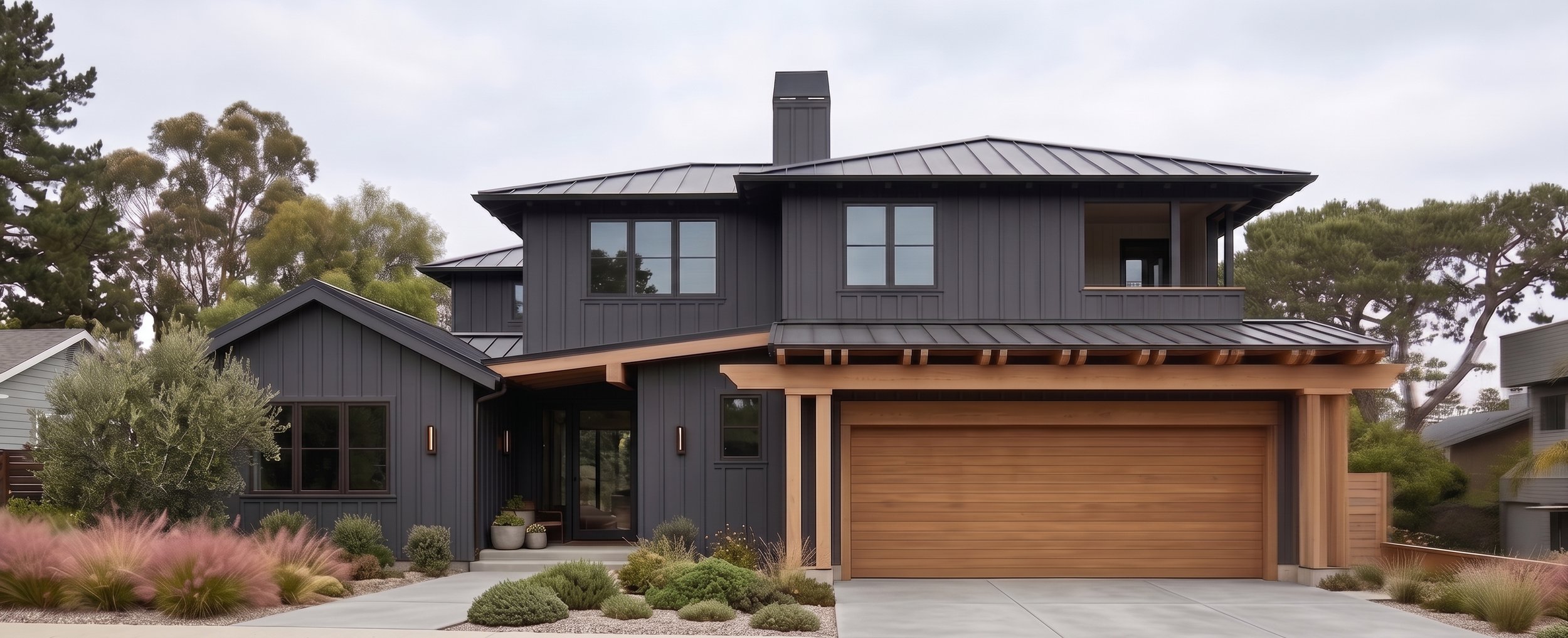
Custom Homes and Rebuilds
New homes are evaluated under the same framework: daylight plane plus SFDDR tier.
The daylight plane defines the physical envelope, while SFDDR evaluates how that form sits within neighborhood context.
Projects that resolve both early tend to move through review with fewer revisions. Projects that separate them often require redesign during later stages.
Height limits in San Mateo (often around 32 feet in R-1 and R-2 zones) are less restrictive in practice than the daylight plane, which typically defines the true usable volume of the building.
Explore custom home design work
Where projects typically run into friction
Daylight plane underestimation
Designs that rely on height limits alone often lose usable volume once the daylight plane is fully modeled.
SFDDR escalation
Projects that appear overly large or privacy-impacting may move into higher review tiers, introducing neighborhood meetings and extended timelines.
Lot geometry effects
Narrow or irregular parcels can create uneven daylight plane impacts that significantly shape massing on one side of the home.
Late-stage massing changes
Because SFDDR evaluates perceived scale, late design changes often require re-review rather than minor correction.
The approval process in San Mateo
San Mateo uses a tiered review system for single-family homes:
SFDDR Tier 1: staff-level review
SFDDR Tier 2: may require neighborhood meeting
SFDDR Tier 3: higher scrutiny, potential Planning Commission involvement
Higher tiers may include neighborhood meetings during application processing.
The daylight plane is typically modeled early and informs whether a design is viable before schematic plans are finalized.
Plan review timelines vary by tier, typically ranging from 7 to 12 months for projects involving second-story additions.
When feasibility matters in San Mateo
Feasibility in San Mateo is primarily about geometry and review trajectory, not entitlement uncertainty.
Before design begins, three factors define what is realistically possible:
daylight plane impact on second-story volume
likelihood of SFDDR tier escalation
lot width and orientation relative to setbacks
Once these are understood, design becomes significantly more stable. Without them, projects tend to cycle between floor plan development and massing corrections.
Related Guides
Understanding your project starts before design begins. These guides cover what architects evaluate before the first sketch, and what actually determines cost, timeline, and permit outcomes in the South Bay and Peninsula.
Project Planning Guide → Second Story Additions, Remodels, and Custom Homes
How permit tracks are determined before design begins, what South Bay housing stock actually contains, and what drives cost in Cupertino, Saratoga, Los Gatos, and Palo Alto.
Feasibility & Starting Smart → Property Evaluation and Architect Selection
How we evaluate whether a project is feasible before design begins, what a pre-purchase property evaluation covers, and what to look for when hiring a residential architect in the South Bay and Peninsula.
What’s Possible → Zoning Envelopes and Spatial Transformation Options
How FAR limits, setbacks, daylight planes, and city design review define what can actually be built on a South Bay property, and how to evaluate which project type is right before committing to a design direction.
Working on a Project in San Mateo?
The daylight plane and SFDDR tier should be understood before committing to design direction, as they determine both form and approval pathway.
Areas We Work In
We work throughout the South Bay and Peninsula, including the following cities. Each city links to a relevant project pathway and design and permitting context for that area.
San Mateo · Redwood City · Menlo Park · Burlingame · Belmont · San Carlos · Hillsborough · Atherton