
Residential Architect in Burlingame | Remodels, Additions, and Custom Homes
Burlingame is a Peninsula residential environment where architectural outcomes are shaped primarily by neighborhood character, tree canopy conditions, and how additions interact with established scale and street rhythm.
Unlike hillside jurisdictions where topography dominates feasibility, Burlingame is primarily defined by flat-to-gently-sloped lots where design constraints are driven by setbacks, privacy relationships, and perceived massing within tight residential streets.
In practice, most projects are determined early by how an existing home can be expanded or reconfigured without disrupting the consistent architectural rhythm of surrounding blocks.
For homeowners, the key question is usually not whether change is possible, but how to introduce additional space while maintaining proportional balance and neighborhood compatibility.
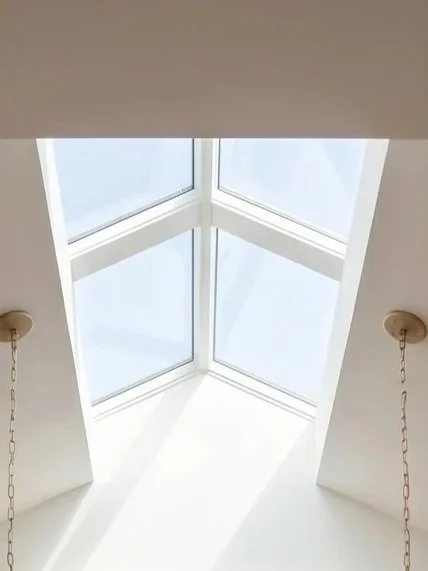
Practice Overview
Prestin Ravid Architects works across the South Bay and Peninsula on Custom homes, remodels and additions.
From feasibility through design, permitting, and construction, projects move forward with coordinated input from structural engineers, energy consultants, and other specialists as required by the project and jurisdiction.
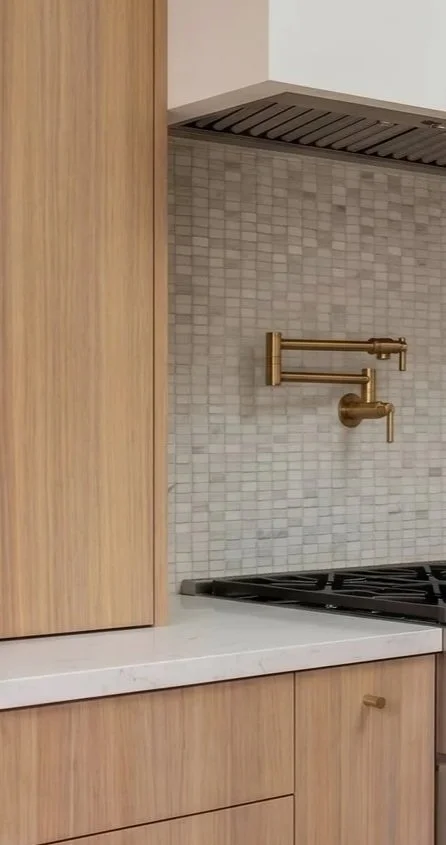
Eyal's designs are top notch and they handle everything from architectural design through permits. A full concierge experience from concept to city approvals, which made the process very easy for us.
Anna F · Local Realtor
We had a great experience working with Prestin Ravid Architects on our home renovation. Eyal consistently exceeded expectations and delivered on time while staying highly responsive throughout the design and permitting process, which gave us a lot of confidence in the team.
Vishal B · Residential Client
Residential Context in Burlingame
Burlingame contains a relatively consistent residential fabric compared to much of the South Bay, with strong neighborhood identity and stable housing patterns.
In Burlingame Terrace and Lyon Hoag, early 20th-century and mid-century homes create a finer-grain neighborhood structure where remodels must carefully preserve street-facing character.
In Burlingame Hills, larger parcels and slight elevation changes introduce more flexibility, allowing for additions and partial rebuilds that respond to both privacy and view considerations.
Across the city, mature tree canopies play a defining role in shaping both site planning and perceived scale, often influencing architectural decisions as much as zoning parameters.
How Projects Typically Develop in Burlingame
In Burlingame, feasibility is primarily defined by neighborhood compatibility and how additions affect perceived scale from the street and adjacent properties.
Most projects resolve into three directions:
interior remodel within existing structure
rear or partial second-story addition
full teardown and rebuild
The distinction between these paths is typically established early in schematic design, once massing studies clarify how the building will sit within its block context.
Unlike more variable jurisdictions, Burlingame places consistent emphasis on visual continuity and proportional restraint.

Architect-Led From Start to Finish
Prestin Ravid Architects works with homeowners throughout Burlingame and the South Bay on remodels, additions, and custom homes. Before design begins, we evaluate what the property can support, what the city is likely to approve, and which opportunities are worth pursuing. That clarity becomes the foundation for the design, permitting, and construction phases that follow.
Common Project Types
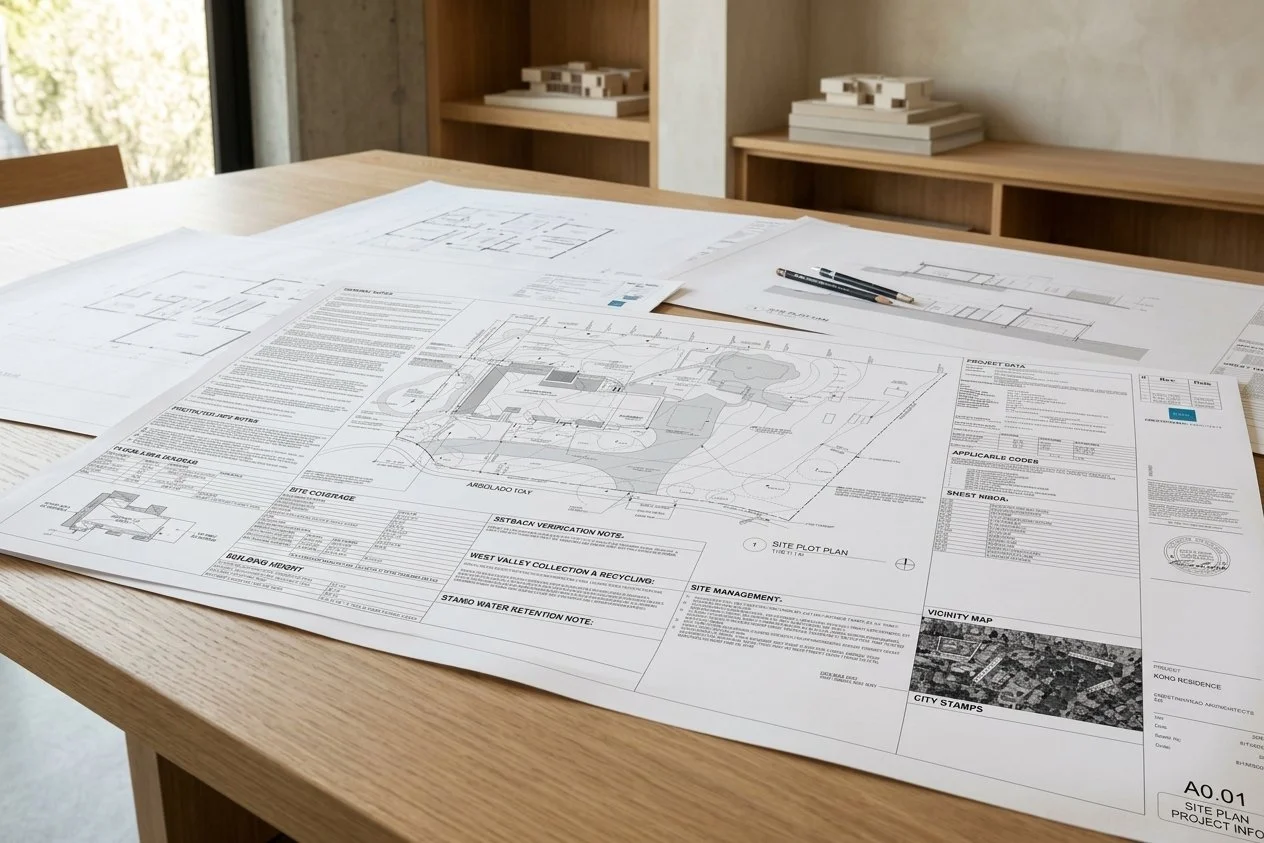
Remodels in Burlingame
Most remodels focus on improving interior spatial flow within existing homes while maintaining exterior character.
Typical interventions include opening up kitchen, dining, and living areas, improving daylight access, and strengthening connection to rear yards.
In many cases, structural systems remain intact, and the architectural work is concentrated in spatial reorganization rather than expansion.
Where homes already align well with their lots, remodels can significantly improve livability without altering exterior massing.
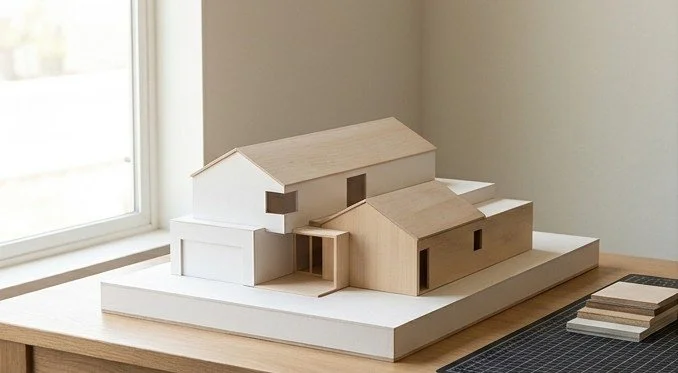
Additions and Second-Story Expansions
Additions in Burlingame are shaped primarily by neighborhood scale, setback conditions, and privacy relationships.
Rear additions are commonly used to extend living space while preserving front-facing architectural character and maintaining street rhythm.
Second-story additions are evaluated carefully for how upper massing reads from both the street and adjacent properties, particularly in areas with consistent single-story conditions.
In practice, successful additions resolve three conditions early:
proportional compatibility with existing structure
preservation of neighborhood scale continuity
careful management of privacy and overlooking conditions
Once these are established, design development tends to proceed with fewer structural revisions.
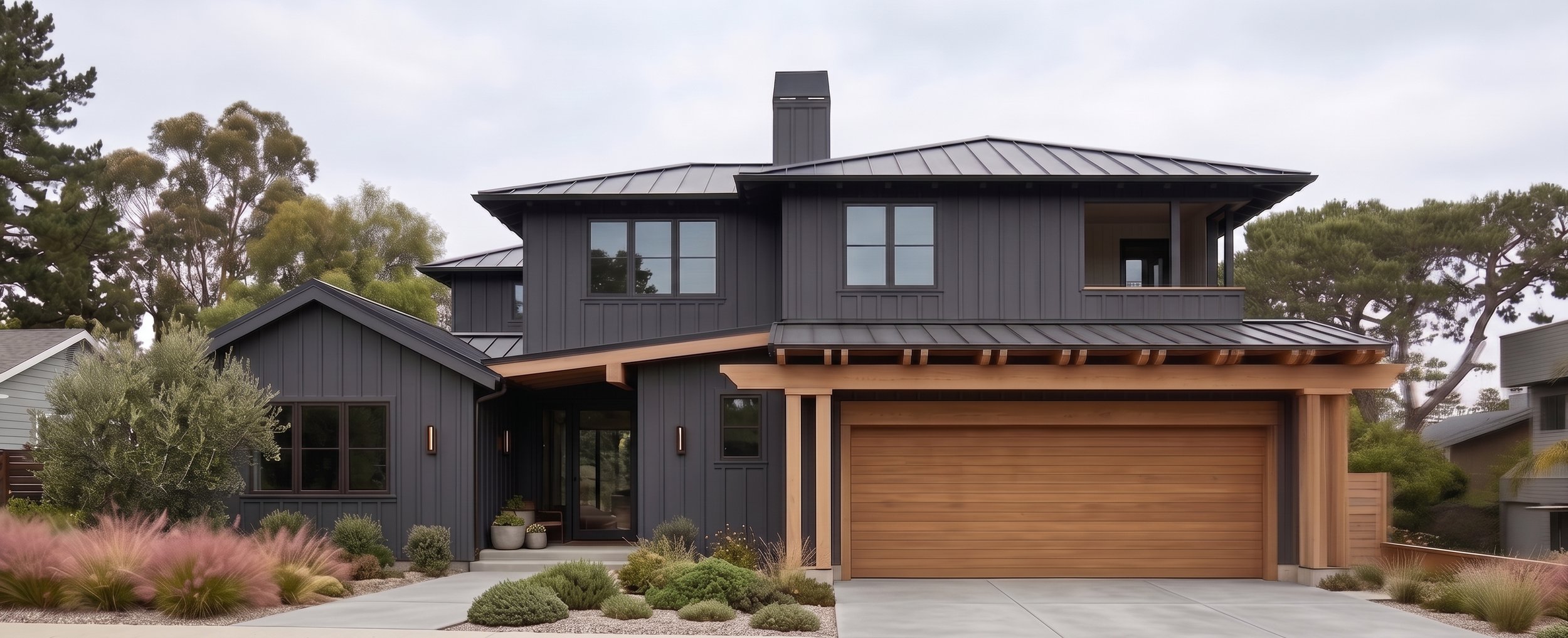
Custom Homes and Rebuilds
Custom homes in Burlingame typically occur when existing structures no longer support functional, spatial, or structural goals within neighborhood constraints.
Teardown and rebuild projects are common in areas where older homes cannot efficiently accommodate modern layouts through incremental expansion.
At this stage, the design focus shifts from modification to establishing a coherent new architectural system that maintains compatibility with surrounding residential scale and street character.
Contextual integration is often the primary driver of form, particularly in tightly defined neighborhoods.
Approval Process in Burlingame
Burlingame residential projects generally move through standard planning and building permit review, with additional scrutiny based on project scale and neighborhood sensitivity.
Smaller remodels that remain within existing envelopes typically proceed through administrative review.
Additions and rebuilds may require planning review depending on massing changes, height impact, and neighborhood compatibility considerations.
Because design review is strongly influenced by context, early feasibility modeling is essential in determining likely approval trajectory and revision cycles.
Starting a Residential Project in Burlingame
Most projects begin by evaluating how an existing home can evolve within neighborhood-scale expectations and established street character.
Key early considerations include:
whether interior reconfiguration can achieve livability goals
whether additions can maintain proportional consistency with surrounding homes
whether a rebuild produces a more coherent long-term outcome
Once these are understood, design direction becomes significantly more stable.
Related Guides
Understanding your project starts before design begins. These guides cover what architects evaluate before the first sketch, and what actually determines cost, timeline, and permit outcomes in the South Bay and Peninsula.
Project Planning Guide → Second Story Additions, Remodels, and Custom Homes
How permit tracks are determined before design begins, what South Bay housing stock actually contains, and what drives cost in Cupertino, Saratoga, Los Gatos, and Palo Alto.
Feasibility & Starting Smart → Property Evaluation and Architect Selection
How we evaluate whether a project is feasible before design begins, what a pre-purchase property evaluation covers, and what to look for when hiring a residential architect in the South Bay and Peninsula.
What’s Possible → Zoning Envelopes and Spatial Transformation Options
How FAR limits, setbacks, daylight planes, and city design review define what can actually be built on a South Bay property, and how to evaluate which project type is right before committing to a design direction.
Working With a Residential Architect in Burlingame
If you are considering a remodel, addition, or custom home in Burlingame, the first step is understanding how neighborhood character, scale relationships, and site constraints define what is realistically achievable on your property.
Areas We Work In
We work throughout the South Bay and Peninsula, including the following cities. Each city links to a relevant project pathway and design and permitting context for that area.
Burlingame · Redwood City · Menlo Park · San Mateo · Hillsborough · Belmont · San Carlos · Atherton